

India is a land where diverse religions, cultures, and traditions have been flourishing together for centuries. In such a diverse society, differences of opinion and ideology are natural. Unfortunately, in recent decades, hatred and prejudice based on religion have been on the rise. In particular, widespread mental bias and social discrimination against the Muslim community pose a serious threat to social harmony.It must be remembered that hatred and mistrust only lead to conflict and weaken the fabric of social unity. In this context, interfaith dialogue is not just a moral need but also an indispensable path for India’s national unity and social stability. Through conversation and dialogue, misunderstandings can be removed and an atmosphere of mutual respect can be established an essential foundation for peace and progress.In the current situation, political interests, sensational media content, and prejudicial rhetoric have sometimes created fear and mistrust among people. However, experience shows that enmity and violence do not solve problems; they only deepen divisions. Therefore, only dialogue and mutual understanding can ensure unity amid diversity. Every individual, community, and leader must play a role in promoting social harmony through respect, discussion, and cooperation.
Lessons from History
History reveals that when societies experience division, dialogue becomes the strongest tool for peace. The example of Medina is pertinent, where Prophet Muhammad (peace be upon him) preferred discussion and understanding over force with diverse religious groups.The Charter of Medina clearly established the rights, responsibilities, and freedoms of all groups, concluding that peace and justice could only be achieved through cooperation and understanding. This became a guiding principle for Muslim rulers who followed that reconciliation and discussion should be prioritized over coercion for stability and unity.Emperor Akbar also promoted tolerance and dialogue, granting equal rights to all faiths and inviting scholars, philosophers, and representatives of different religions to his court for intellectual debates. This not only reduced religious tensions but also fostered harmony and unity in his empire. Historical records show that when rulers esteem dialogue, society becomes intellectually, morally, and practically stronger.
Modern Reformers and Thinkers
In the 19th century, Indian Muslim leaders Sir Syed Ahmad Khan and Maulana Abul Kalam Azad emphasized the necessity of dialogue. Through the Aligarh Movement, Sir Syed educated Muslims on the importance of modern education, scientific thinking, and mutual dialogue. According to him, dialogue is not a sign of weakness but of intellectual strength, fostering unity, development, and education.Maulana Azad consistently stressed religious harmony and national unity. He maintained that dialogue is the responsibility of individuals, communities, and leaders alike. Bringing together scholars, religious figures, and community representatives, he strengthened consultative traditions within the subcontinent. He insisted that disagreements should be addressed through dialogue, not hostility, thus allowing every community to maintain its identity while contributing to national integration.
Interfaith Engagement in Contemporary India
In recent years, India has witnessed several efforts to reduce hatred and misunderstanding through interfaith dialogue. For instance, in July 2025, RSS chief Mohan Bhagwat met around sixty Muslim scholars and representatives from madrassas to foster mutual confidence and understanding. During the meeting, both parties resolved to counter hateful rhetoric through sustained dialogue and cooperation.While such initiatives are commendable, historical patterns show that political pressures, public reactions, and media influence often cause these efforts to lose momentum. Therefore, establishing continuity in dialogue is crucial for future stability.Interfaith dialogue should not remain the responsibility of leaders and politicians alone it must also be exercised by every citizen, institution, and community. Sustained dialogue reduces hatred, strengthens understanding, and expands the space for mutual respect.
Role of Education, Media, and Youth
Educational institutions play a pivotal role in fostering interfaith understanding. Students should be trained in dialogue, made aware of the values of different religions, and taught mutual respect despite differences. In March 2018, then-Minister Maneka Gandhi proposed including texts of all religions in the curriculum to develop moral understanding among students. Such initiatives help to cultivate future leaders who value harmony and understanding.The media can also contribute immensely. In a time when misinformation and hateful narratives spread quickly, responsible journalism can promote unity by presenting stories of cooperation and empathy. Likewise, social media platforms like YouTube, Facebook, and X (Twitter) can be used to connect youth leaders across religions through dialogue-based engagement.Even international organizations such as the United Nations emphasize interfaith dialogue in their peace resolutions. Policies such as the UN Paris Peace Agenda and EU cultural programs highlight the inclusion of religious leaders in policymaking and the teaching of interfaith tolerance. These global experiences underline the need for states to enforce anti-hate laws, promote religious freedom, and build educational and cultural institutions that nurture dialogue.The Path ForwardInterfaith dialogue is not a temporary slogan or superficial exchange it requires continuity across government, education, and community levels. Sustained dialogue builds trust, reduces fear, and strengthens social relationships.As one RSS official noted, interfaith conversation must be an ongoing and organized process to reinforce national unity and harmony. Educational curricula, workshops, cultural festivals, and religious congregations should integrate training in dialogue and understanding.Ultimately, interfaith dialogue is vital to the survival, progress, and unity of India. Differences are natural, but they should be resolved through understanding, not hostility. Dialogue is not about winning arguments it is about learning, empathy, and respect.At a time when religious hatred and violence threaten the nation, dialogue opens doors through walls of division and leads society toward love, respect, and brotherhood. If political, religious, and social leaders collectively support dialogue, India will emerge as a stronger, more united, and harmonious nation.The examples of Sir Syed Ahmad Khan and Maulana Azad remain enduring reminders that dialogue is the most effective and lasting means to build social harmony and national cohesion. When young people of diverse religions understand one another and replace intolerance with respect, interfaith harmony and national unity will become living realities the cornerstone of India’s peace, progress, and stability.
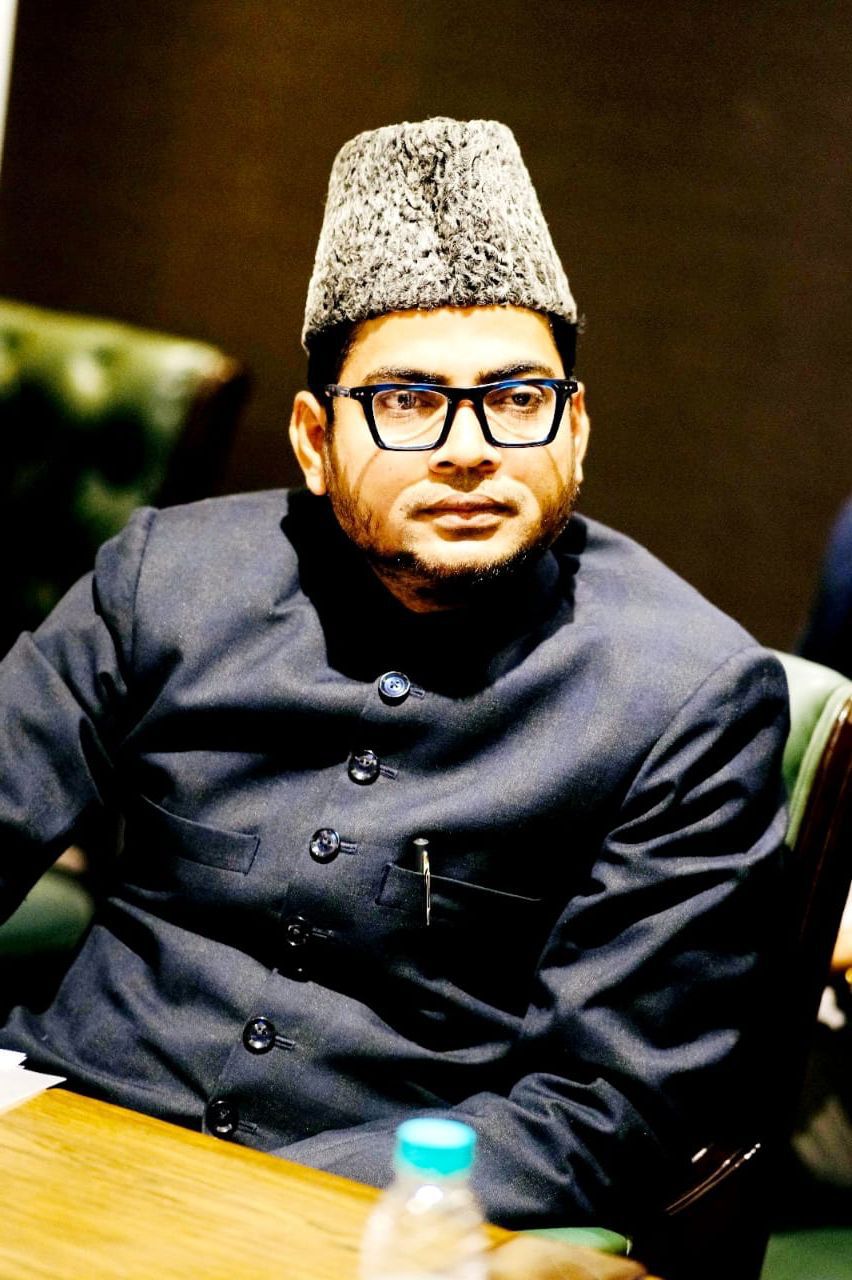
Assistant Professor, Faculty of Theology, Aligrah Muslim University, Aligarh.