
Yesterday’s vandalism by the proctorial team will forever remain a black mark in Jamia Millia Islamia’s history. It has tarnished the institution’s legacy and undermined the ideals and sacrifices of the freedom fighters who struggled to establish this university.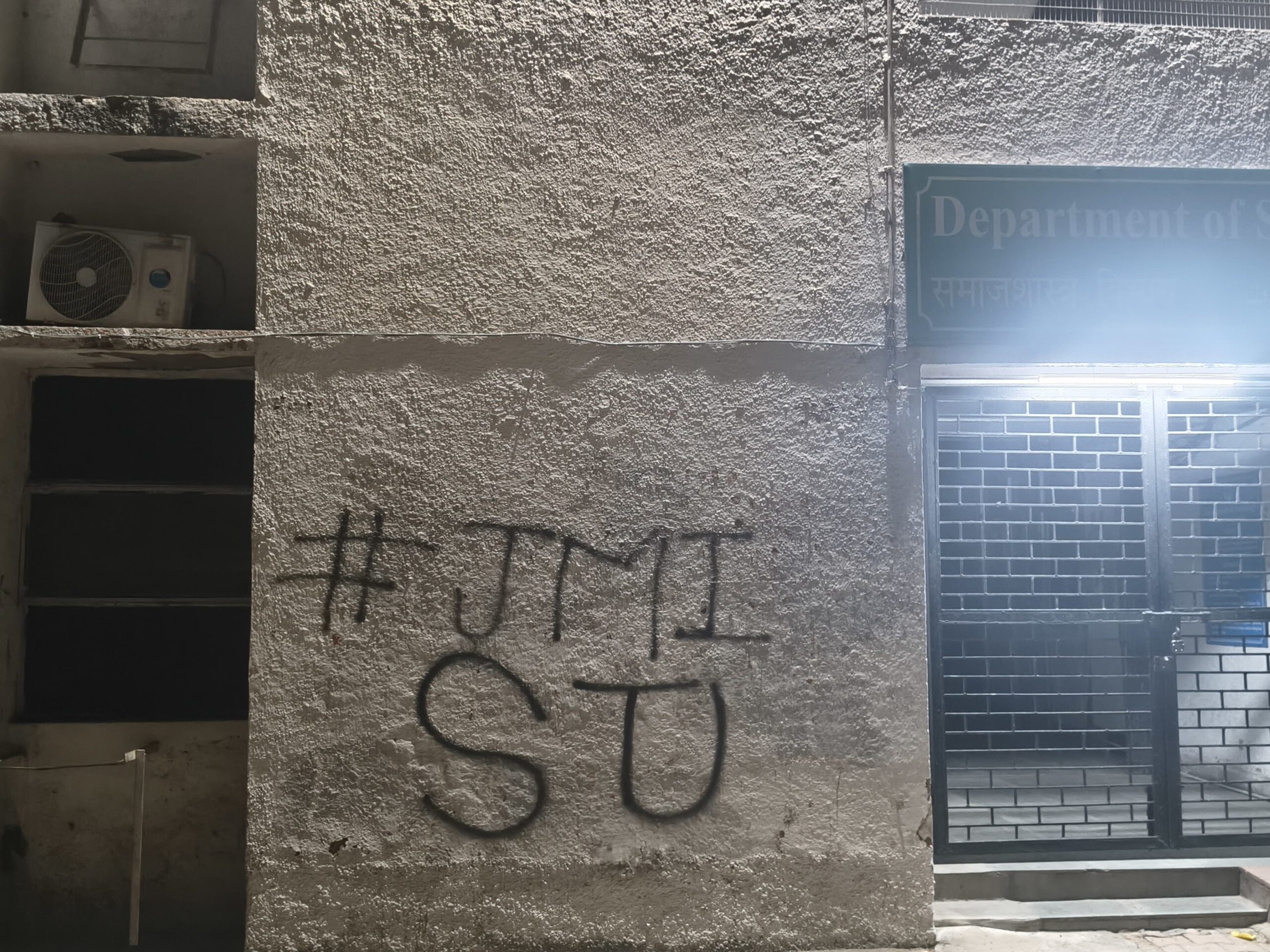
What happened yesterday at Jamia Millia Islamia was yet another troubling act carried out by the administration in the presence of professors, teaching staff, non-teaching staff, and other administrative personnel, seemingly with their approval.
The protest tent set up by students demanding the restoration of the Jamia Millia Islamia Students’ Union was vandalised by security guards and the proctorial team in the presence of professors, teaching staff, and non-teaching staff. A student was dragged away and brutally beaten in their presence. Yet, the professors and other university employees present failed to object to these acts. Instead, they remained spectators, seemingly giving their silent approval to the administration’s actions. This was deeply disheartening for the students who witnessed the administration’s use of force to suppress a legitimate protest.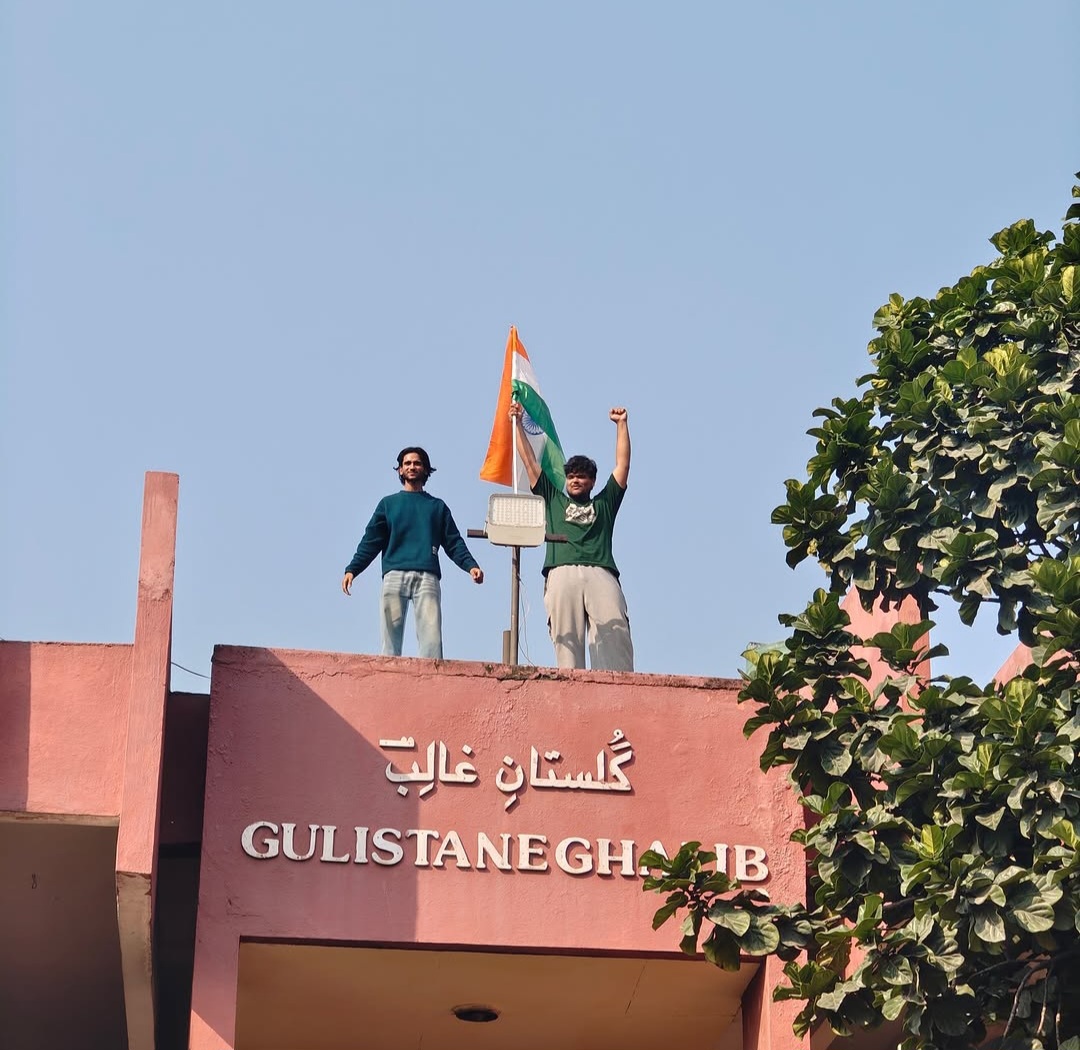
From Standing with Students in 2019 to Watching Their Suppression Today
This stands in stark contrast to what we witnessed in 2019, when teachers and professors organised protests against the CAA-NRC. At that time, they stood alongside students and helped them organise protests. The Jamia Millia Islamia Teachers’ Association played an important role in mobilising support for the movement.
Today, however, some professors and other university employees appear to be participating in or remaining silent about efforts to suppress protests, even when students are demanding the restoration of the Jamia Millia Islamia Students’ Union.
There are possibly two reasons for this.
The first is that the collective voice of teachers, the Teachers’ Association, has been suspended by the administration. The Delhi High Court reportedly cleared the way for its reinstatement in October 2025, yet the administration has not reinstated it.
The second possibility is that some teachers have lost the moral ground, empathy, values, and principles they once upheld in exchange for administrative positions and additional benefits from the administration.
Yesterday, around 1,500 professors, teaching staff, non-teaching staff, and other administrative personnel reportedly gathered in front of the Dr. M. A. Ansari Auditorium. Not a single professor or member of the non-teaching staff appeared to object to the actions of the Vice-Chancellor and the Registrar, who were mobilising university employees against the protesting students.
Perhaps they fear punishment from the administration or believe that their promotions could be affected if they question the denial of legitimate democratic rights on campus. Their silence during the dismantling of the students’ protest tent raises serious questions about the commitment of the university community to the democratic principles it once defended.
The Question of the Students’ Union Constitution
The Registrar has reportedly claimed that the allegations being reported in the media are baseless. However, if Jamia Millia Islamia does not have a constitution for its Students’ Union, how did the university conduct Students’ Union elections in the past?
A similar situation exists at Aligarh Muslim University (AMU), where the Students’ Union has also faced prolonged suspension. Although the administration resisted restoring the Students’ Union, the demand for its restoration and a time-bound election process remained central to the debate.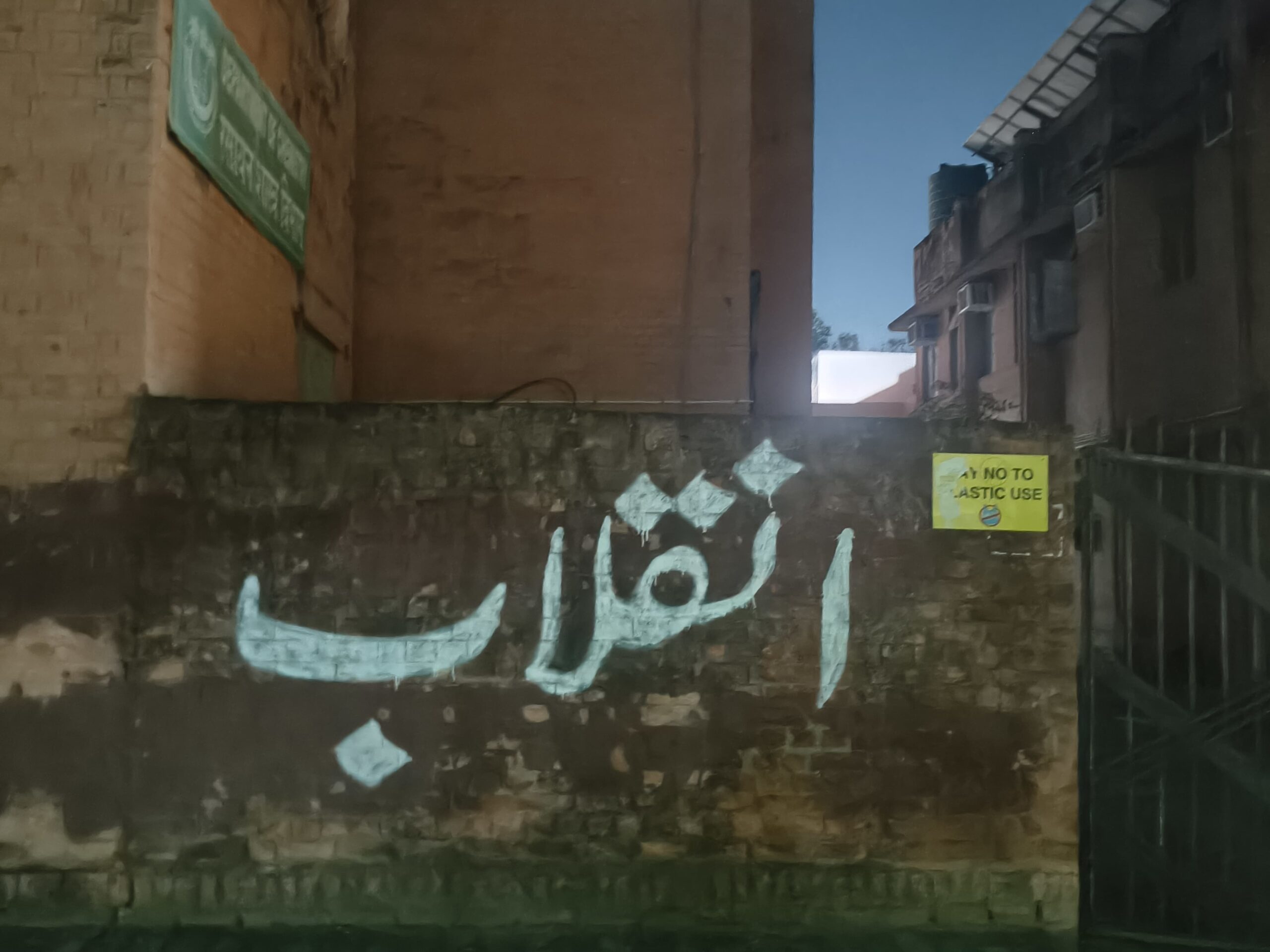
In Jamia, however, the administration claims that there is no constitution for the Students’ Union. This raises serious questions about its willingness to restore student representation and provide a clear, time-bound framework for elections.
Why Is the Presence of Politicians Suddenly a Problem?
The Registrar has also reportedly claimed that politicians are entering the campus. However, the Vice-Chancellor himself comes from Jawaharlal Nehru University (JNU), where politicians from across the country and around the world regularly visit to deliver lectures, participate in discussions, and attend protests.
Are these two universities governed differently in India? No.
The gates of Jamia should remain open to everyone who supports basic human dignity, human rights, and democracy on campus. Similarly, JNU provides a space for people to engage in discussion and debate.
Politicians have visited Jamia in the past, and the Vice-Chancellor has not objected when politicians from across India, representing a particular ideology, have been invited to attend seminars and deliver lectures. Why, then, is the presence of politicians suddenly being presented as a problem?
The Registrar has also reportedly claimed that students are being inflexible in their demands. But students have every right to remain firm, especially when they have been demanding the restoration of their democratic representation for so long.
Jamia’s Democratic and Academic Crisis
Jamia Millia Islamia is facing a serious crisis in its democratic and academic environment. The administration has taken several restrictive measures amid the ongoing protest, including shifting classes online, closing campus gates, and sealing libraries, without adequate discussion with the university community, according to the accounts of the situation.
The administration appears willing to issue one notice after another, yet it has failed to announce a time-bound date for Students’ Union elections, which is precisely what the students are demanding.
This raises serious questions about the administration’s willingness to provide democratic space to students and associations that challenge its decisions and demand accountability.
Students have raised legitimate questions about the administration’s actions, alleged illegal appointments, alleged irregularities in awarding tenders to particular individuals, alleged illegal detentions, and the deployment of security forces to mentally torture students protesting outside the Jamia gate.
These are questions that students have every right to raise with the Vice-Chancellor, the Registrar, their professors, teaching staff, non-teaching staff, administrative personnel, and everyone else responsible for the functioning of the university.
Jamia’s legacy was built upon the ideals and sacrifices of freedom fighters. Protecting that legacy requires defending democratic rights, academic freedom, and the right of students to question authority.
Yesterday’s events have raised difficult questions about whether the university community is willing to uphold those ideals when doing so requires challenging its own administration.
The restoration of the Jamia Millia Islamia Students’ Union is not merely an administrative demand. It is a question of democratic representation, accountability, and the right of students to participate in the life of their university.
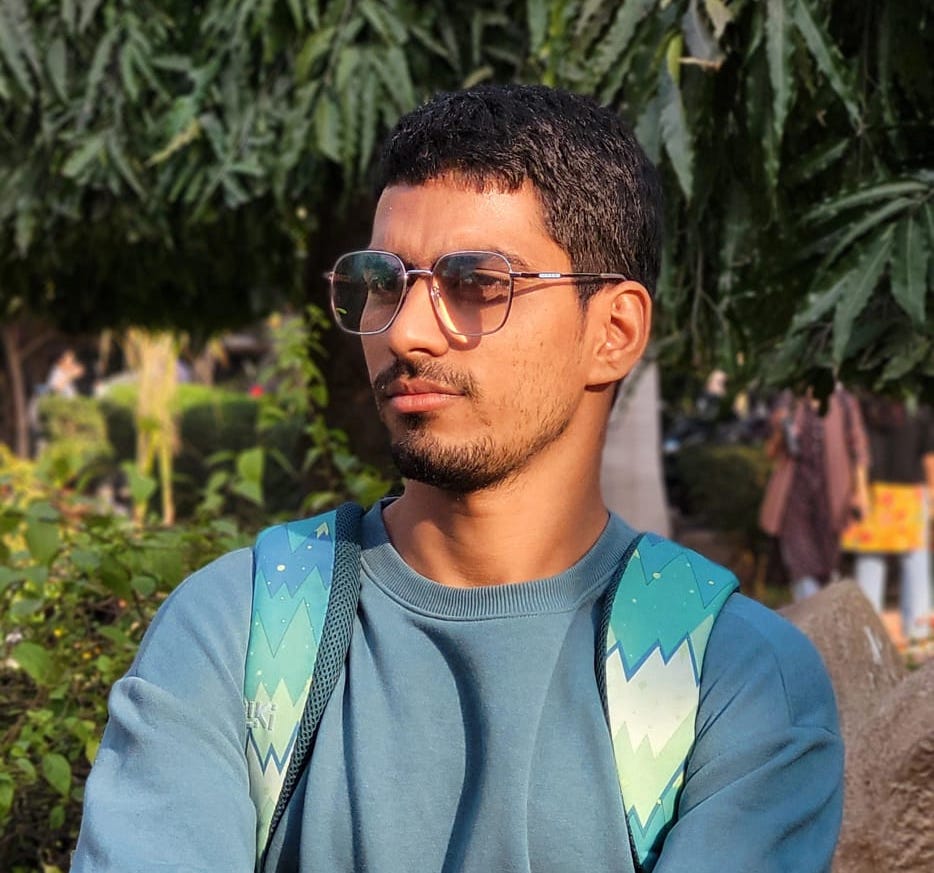
Mohammad Hesham Atik is an undergraduate student of Psychology at Jamia Millia Islamia, with a minor in Economics. He has also pursued certified courses in Urdu from Jawaharlal Nehru University. His interests include psychology, social issues, and cultural studies.