
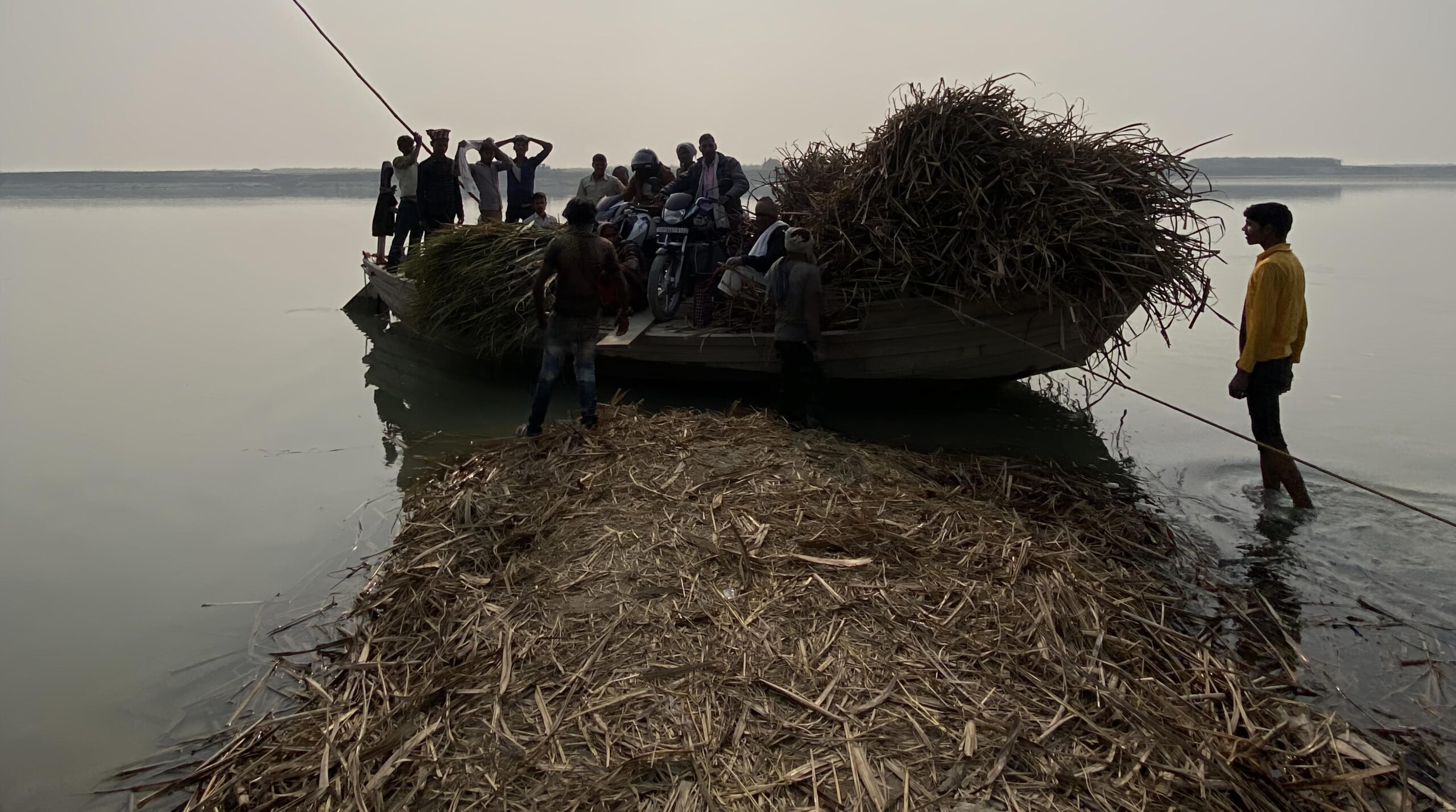
Bihar is one of India’s oldest civilisational regions, rich in history culture, and human capital. It also has huge demographic potential, a large young population, and fertile land. Yet its socio economic indicators (poverty, infrastructure, health, education, industrialisation) have lagged behind many other states. Many observers say that part of the reason is caste, part is the result of poorly implemented socialism or socialistic politics, and part is corruption and weak administration.When people say socialism in the Bihar political context, a few things are often implied emphasis on welfare, redistribution, and pro-poor policies (food, jobs, land reforms) emphasis on raising the status of historically oppressed groups via reservations, quotas, and social justice; and emphasis on resisting traditional elite dominance (upper castes, landlords, bureaucracy). Sometimes it also means populist politics appealing directly to disadvantaged groups with promises rather than focusing on institution building or long-term infrastructure or efficiency. In Bihar, parties like the Janata Dal (United) (JDU) and Rashtriya Janata Dal (RJD), various socialist parties, and leaders like Nitish Kumar and Lalu Prasad Yadav have often framed themselves as champions of the backward castes, Dalits, and minorities. Sometimes that leads to greater inclusion, political participation, and social dignity. In other cases, critics argue, it has led to vote-bank politics promises or policies made to secure electoral support rather than based on economic viability or long term planning and rent seeking via welfare schemes or government jobs rather than productive investment. So socialism in practice in Bihar has positive elements, but also negative ones when governance is weak, corruption is high, or when policies are not well thought through.
Corruption and Its Impact on Development
Corruption is a serious challenge all over India, but in Bihar it has had especially damaging effects. Government schemes for roads, schools, health, and rural employment (e.g. MNREGA) often see portions of funds siphoned off via contractors, middlemen, and ghost beneficiaries. There’s evidence that projects are approved but not completed, or over-invoiced. Under previous governments, large projects would be awarded but work done poorly or delayed, while payments would still be made. Critics say that under Nitish Kumar, there was some improvement, but still, many projects show cost overruns and low quality. The administrative machinery (bureaucracy, revenue collection, local governance bodies) often lacks capacity, is under staffed poorly trained or under resourced. Oversight mechanisms (audits, anti corruption agencies) have sometimes been weak or politicised. Welfare schemes are sometimes used as political tools for example, the promise of jobs or benefits may be targeted to certain caste blocs. This may be rational under electoral logic, but it undermines efficiency and targeting. Because of corruption and misallocation, infrastructure (roads, power, hospitals) remains weak. Bihar has often been rated poorly for service delivery (health, education). Even when schools are built, teacher vacancies are large; in health, primary healthcare infrastructure remains inadequate. Political instability worsens corruption: when governments are unstable, oversight drops, and corruption thrives. The Fodder Scam where enormous public funds were misappropriated under the guise of procurement for livestock illustrates the high level nexus of corruption involving politicians and bureaucrats.
Caste and Its Role in Shaping Bihar’s Politics and Society
Caste is deeply engrained in Bihar socially, economically, and politically. Historically, upper castes (Brahmin, Rajput, Bhumihar etc.) have owned much of the land, controlling local power, while lower castes, Dalits, and backward castes have been landless or near landless, working as labourers. This created persistent inequality in access to income, assets, and education. Political parties align with caste groups, and voting is often along caste lines. Because caste groups expect political favour (jobs, contracts, benefits) from leaders of their own caste, there is an incentive for politicians to promise caste-based benefits, even when not economically efficient. For example, Nitish Kumar’s strategy included giving 25% reservation to extremely backward castes (EBCs), forming commissions for Mahadalits etc., partly to fragment other backward castes and build support bases. Backward castes are themselves divided EBCs, OBCs, Mahadalits, Dalits, etc. reducing their political coherence. Dalits themselves are not monolithic: Paswans, Chamars, Musahars etc. differ in status, history, and leadership. This fragmentation weakens collective demands for systemic change. Social discrimination remains strong in access to public spaces, in treatment by public officials creating mistrust and reducing human capital formation. Some groups are less likely to send girls to school or invest in healthcare due to social constraints. Caste violence like the Belchhi massacre (1977) shows how class and caste tensions erupt into violence, undermining trust and governance. Inequality in access to education and healthcare also mirrors caste: poorer infrastructure, fewer teachers, and lower quality in Dalit-dominated areas produce unequal outcomes.
How Socialism, Caste, and Corruption Interact
These three forces socialist politics, caste, and corruption interact in reinforcing ways. Socialist politicians seeking votes from backward and Dalit groups promise welfare and reservations but often don’t build institutional capacity to deliver effectively. Rent diversion occurs when funds for public goods are redirected toward populist welfare that appeals more immediately to voters. When caste loyalty is strong, corruption goes unpunished because political bases protect their leaders. Bureaucracy, too, gets divided along caste lines, weakening meritocracy. Fragmented caste groups reduce collective pressure for systemic reforms. Socialist rhetoric often emphasises redistribution over growth. With low growth, revenues remain weak, leaving less for infrastructure and industrialisation. Without industrial jobs, poverty persists and migration increases. Weak bureaucracy and politicisation reduce administrative capacity. Leaders who came to power on promises from below sometimes weakened traditional bureaucracy (seen as elitist), but their replacements didn’t necessarily perform better.
Historical and Contemporary Examples
Several examples illustrate these patterns. The Belchhi massacre (1977) underlined how caste violence destroys social order. The Naxalite uprisings in Bhojpur (1970s–80s) reflected agrarian and caste tensions poor peasants and Dalits rising against landlords creating instability and discouraging investment. The Fodder Scam highlighted massive corruption under socialist leadership. Reservation expansion and caste-based welfare, though helping inclusion, also became tools for political favour. Despite reservation, many backward and Dalit castes remain landless and poorly educated showing welfare without institutional support is insufficient. Administrative incapacity and poor service delivery continue: schemes like cycle distribution for girls look good on paper, but without enough schools or teachers, outcomes stay poor. Nitish Kumar’s caste alliance strategy created new caste divisions e.g., between OBCs, EBCs, and Mahadalits sometimes deepening competition rather than unity. Industrial investment remains low, with public contracts becoming vehicles for rent extraction. Large-scale migration drains human capital young people move to Delhi, Mumbai, and other states for work weakening local innovation and entrepreneurship.
Comparison with Other States
Bihar’s development outcomes show the effects of these structural constraints. Poverty and inequality remain high; literacy (especially female literacy) low; health indicators (infant mortality, maternal mortality) weak; infrastructure (roads, electricity, healthcare) inadequate; and industrialization minimal. Governance suffers from inefficiency, leakages, and poor accountability. Inequality remains entrenched not just economically but socially, shaped by caste and gender. Comparing Bihar with other states is instructive. Tamil Nadu, for instance, combined welfare with strong public investment in education and health, creating a more universal welfare model. Kerala emphasized egalitarianism, literacy, and human development. Gujarat and others focused on infrastructure and industrialization. Even with caste divisions, governance reforms and long-term investment made a difference.
Why Socialist Leaders Often Fail to Deliver?
Socialist politicians often fail to deliver because they prioritise short-term electoral gains freebies, reservations, populist schemes over long-term investments in capacity. Accountability is weak strong voter loyalty means misgovernance often goes unpunished. Bihar’s weak fiscal base (due to low industrialization) limits resources, yet populist promises keep expanding. Political instability and coalition politics cause frequent reversals in policy and encourage corruption through patronage contracts. Traditional elites landlords, bureaucrats often resist reforms that threaten privilege. Caste politics sometimes eclipses class politics, benefiting certain castes within the backward group rather than the poorest. Corruption is built in through weak oversight of welfare programmes.
Consequences for Development
Historically, Bihar’s political evolution explains this entrenchment. In the early post-independence era, upper castes dominated politics and administration. Land reforms were weak. The 1960s–80s saw the rise of backward caste mobilisation (Triveni Sangh, Kisan Sabha). Socialist and social justice parties gained ground. The Mandal Commission era in the 1990s institutionalized backward caste representation. Lalu Prasad Yadav’s tenure emphasized identity and redistribution but faced criticism for poor governance and law and order. Nitish Kumar’s later rule improved infrastructure and law enforcement, but governance remained within caste-alliances and welfare logic. Recent years (2010s–2020s) saw improvements in connectivity, literacy, and electrification, but social and administrative challenges persist.
Case studies show the ground reality. In Sahar block of Bhojpur, Green Revolution policies improved agriculture, but caste exploitation persisted, driving people toward radical left movements. Welfare schemes like cycles for girls are good optics but fail without school infrastructure. Reservation expansion has faced legal challenges (e.g. Patna High Court rulings). Political candidate selection often prioritises caste over competence, leading to weaker governance. Voters frequently support candidates of their caste even when better options exist, perpetuating inefficiency.
The combined result is a series of development bottlenecks: poor private investment due to weak infrastructure and corruption; low state revenue due to informal economy and leakages; poor education and health reducing human capital; massive outmigration draining talent; social divisions hampering cooperation; and neglect of innovation and modernization. Politicians’ focus on short term welfare sacrifices long-term growth investments.
Still, it is important to acknowledge that socialist and caste-based politics have brought positive changes too. Marginalised communities have gained political voice, dignity, and visibility. Welfare programmes have reduced extreme poverty and increased enrolment and access in some areas. Governance outcomes are not entirely stagnant—there have been improvements in roads, electricity, and education. However, structural inequality, weak institutions, and caste fragmentation continue to slow progress. Frequent political changes, poor law and order, and limited industrialization further constrain growth.
When welfare promises are corrupted or superficial cycles for girls without schools, reservation without institutional quality, caste based appointments without merit, or infrastructure budgets siphoned off the result is stagnation. Leaders often use socialist and caste rhetoric while neglecting modernization and private investment. Policies emphasise quotas and subsidies but not enough on industry, skill development, or entrepreneurship.
Reforms and the Way Forward
Bihar could break this cycle through institutional reform and governance improvements. Strengthening bureaucracy, reducing political interference, ensuring merit-based promotions, and expanding audit and monitoring systems are essential. Technology like e-governance and direct benefit transfers can reduce corruption. Long-term planning that transcends electoral cycles is needed. Greater investment in education, healthcare, roads, and electricity especially in backward districts is crucial. Economic inclusion must go beyond identity to focus on need and class. Small scale industries, agro processing, and entrepreneurship need policy support. Social cohesion must be rebuilt by promoting cooperation beyond caste lines. Citizens and civil society should play a larger role in oversight. Accountability mechanisms should reward competence and performance rather than identity or freebies. Law and order and transparency would help attract private investment.
Caste representation and socialist welfare are not enough without governance reform and value change. Representation gives voice, but not necessarily development, if leaders repeat old patterns of patronage. Welfare is necessary, but without productivity, infrastructure, and human capital, it keeps the state in low equilibrium. Ethics and civic culture matter too: when corruption and caste favouritism become normalised, public trust erodes. Social trust and cohesion are preconditions for collective progress. Strong, visionary leadership combining inclusion, discipline, and long term governance focus can change trajectories, as seen in other states.
Hope and Emerging Trends
There are positive signs in Bihar: improved connectivity, electrification, and education; greater awareness among citizens; and some leaders talking more about governance than caste. Initiatives like the Jan Suraj campaign (led by Prashant Kishor) aim to move beyond caste politics to focus on development and accountability. Legal scrutiny of reservation policies ensures checks and balances. Civil society, judiciary, and media activism have exposed corruption and raised public awareness.
Bihar’s underdevelopment is multi-causal caste, corruption, and socialism are interlinked but not the only reasons. Geography, agriculture, colonial legacies, and weak infrastructure also matter. Yet the combination of caste politics, socialist populism without delivery, and corruption has created a self-perpetuating cycle promises are made, some benefits delivered, but many leakages, inefficiencies, and inequalities persist. Development remains slow, public trust low, and investment scarce. To break out, Bihar needs a paradigm shift toward governance, accountability, infrastructure, and human capital. Social justice must walk hand-in-hand with merit, transparency, and institutions. With a young population, rising literacy, and growing civic awareness, Bihar has the potential to transform. But unless caste divides are bridged, corruption curbed, and governance strengthened, that potential will remain unrealised.

A Development Economist with postgraduate degrees in Economics and Public Administration from Jamia Millia Islamia, New Delhi. His work focuses on public finance, governance, and inclusive growth.