
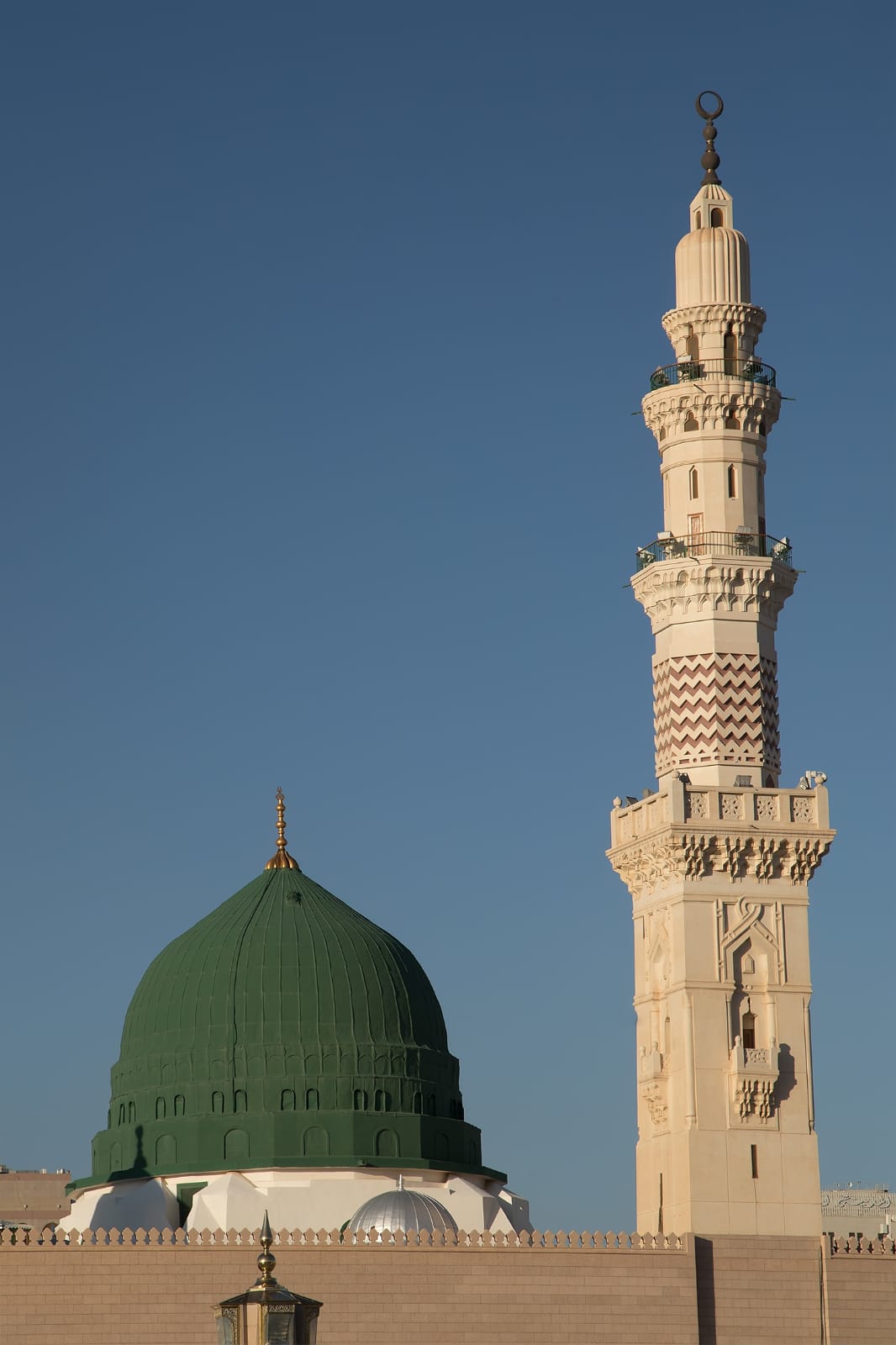
 There are some moments in history that do not belong to one time, one place or one community. They belong to humanity. The birth of Prophet Muhammad ﷺ was one such moment.
Prophet Muhammad ﷺ was the Messenger of Allah, a symbol of mercy, justice and humanity. He was an infallible guide whose life showed people how to live with truth, kindness and justice. He stood against the darkness of ignorance and injustice and brought the light of faith, knowledge and humanity.
The Quran says, “And We have not sent you except as a mercy to the worlds.” (21:107)
These words show the universal nature of his message. He was not sent for one tribe, one race or one part of the world. His message was for all humanity.
Before his arrival, Arabian society was deeply divided by tribalism, inequality and injustice. The weak were often ignored and social status was given great importance. The Prophet ﷺ challenged these practices through his words and, more importantly, through his own life.
He taught that a person’s value does not depend on wealth, tribe or family. He stood with the poor, the weak and the oppressed. He taught people to respect one another and to treat every human being with dignity.
His life also showed the true meaning of justice. He did not allow justice to become a matter of personal interest. Even when dealing with those who opposed him, he upheld principles of fairness and humanity. At the same time, he showed extraordinary mercy and forgiveness.
This is why Milad-un-Nabi should not be only about remembering the birth of the Prophet ﷺ. It should also make us think about his teachings and our own lives.
If we love the Prophet ﷺ, we must try to follow the values he taught us. We should stand against injustice, help those who are weak, speak the truth, forgive others and treat every human being with respect.
There is also an important message connected with the dates of his birth. 12 Rabi-ul-Awwal is commonly observed by Sunni Muslims, while 17 Rabi-ul-Awwal is observed by Shia Muslims. Imam Khomeini gave these days a special meaning by declaring the period between them as Hafta-e-Wahdat, the Week of Unity.
This idea gives us an important lesson. A difference in the date of celebration should not become a reason for division. Instead, these days can remind Muslims of what unites them, their love for the Prophet Muhammad ﷺ and their belief in his message.
The Prophet ﷺ came to a society divided by tribes and differences, but he brought people together through faith, justice and brotherhood. His message was about removing the barriers that separate human beings.
Today, when the world is still facing hatred, violence, injustice and division, the message of the Prophet ﷺ is more meaningful than ever. He taught humanity to live with justice, mercy, equality and compassion. He taught us to stand with the oppressed, respect the dignity of every human being and build a society where no one is treated as inferior because of their race, tribe, wealth or status.
The message of the Prophet ﷺ was not limited to one time or one generation. It was a message of peace, justice, humanity and brotherhood for the whole world. His teachings call us to replace hatred with love, injustice with justice, division with unity and darkness with light.
Milad-un-Nabi reminds us of the birth of the one whose message continues to guide humanity. His life teaches us not only how to worship Allah, but also how to live as better human beings and how to create a society based on justice, compassion and dignity.
The Prophet ﷺ was born in Arabia, but his message belongs to the whole world. His light continues to shine and his message continues to live in every heart that chooses truth, justice and humanity.

Sayed Mobashar Ali has done his graduation (B.A. Honours Psychology ) from Jamia Millia Islamia . He has an interest in media, democracy, and society.